 SDGs & LEAD
CLIMATE CHANGE & ENVIRONMENTAL DEVELOPMENT
Climate change is one of the most pressing challenges of our time, posing a significant threat to ecosystems, livelihoods, and the global economy. It impacts vulnerable communities the hardest, exacerbating poverty, reducing access to resources, and increasing the frequency of extreme weather events. Addressing climate change is not just an environmental issue but a matter of social and economic justice.
At LEAD, we are committed to promoting sustainable environmental development while building resilience in communities to mitigate and adapt to the impacts of climate change
Understanding the Challenge
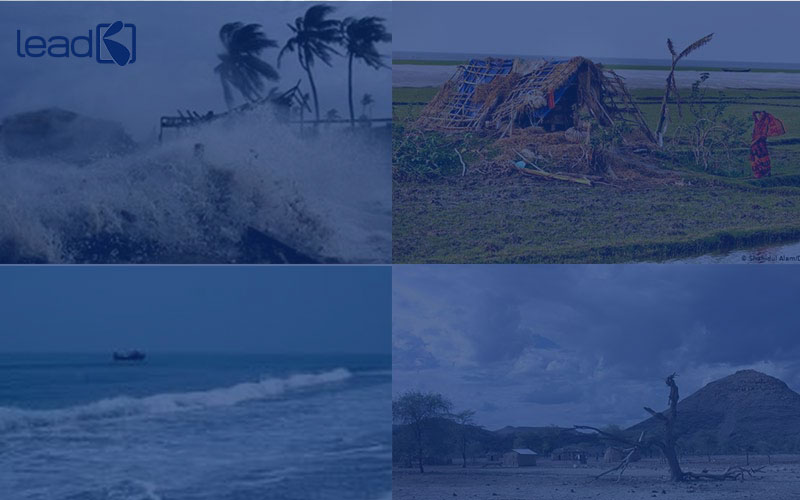
The effects of climate change are becoming increasingly evident, with rising temperatures, erratic rainfall patterns, and an increase in natural disasters such as floods, cyclones, and droughts. These changes disrupt agriculture, threaten water supplies, and endanger biodiversity.
In Bangladesh, a country highly susceptible to climate risks, millions of people face the threat of displacement, food insecurity, and loss of livelihoods due to rising sea levels and extreme weather events. Environmental degradation, such as deforestation and pollution, further compounds these challenges.
LEAD’s Approach to Climate Change and Environmental Development
At LEAD, we believe in a proactive approach to environmental stewardship and climate resilience. Our initiatives focus on sustainable development, community engagement, and education to promote a healthier planet and a safer future.
- Climate Resilience and Adaptation:
LEAD works with vulnerable communities to develop strategies that enhance their ability to adapt to changing environmental conditions. This includes building climate-resilient infrastructure, promoting disaster preparedness, and supporting sustainable livelihoods. - Sustainable Agriculture and Food Security:
We promote eco-friendly agricultural practices such as organic farming, crop diversification, and water conservation. These methods improve productivity while protecting the environment and ensuring food security for rural communities. - Reforestation and Biodiversity Conservation:
Forests play a crucial role in mitigating climate change by absorbing carbon dioxide and supporting biodiversity. LEAD organizes tree-planting drives and works to protect natural habitats, helping to restore degraded ecosystems and promote biodiversity. - Renewable Energy and Green Technology:
To reduce reliance on fossil fuels, we advocate for the adoption of renewable energy sources such as solar and wind power. LEAD supports the installation of solar panels in rural areas, providing clean and sustainable energy to communities. - Environmental Education and Awareness:
Education is key to driving long-term change. LEAD conducts workshops, seminars, and community outreach programs to raise awareness about climate change and sustainable living. By empowering individuals with knowledge, we foster a culture of environmental responsibility.
Advocacy and Policy Engagement
LEAD collaborates with policymakers, environmental organizations, and global partners to advocate for policies that address climate change and promote sustainable development. We work to ensure that local and national climate action plans reflect the needs of vulnerable communities.
Impact and Future Vision
Our climate and environmental initiatives aim to create a balance between development and conservation. By protecting natural resources and promoting sustainable practices, we seek to ensure a healthy environment for future generations.
At LEAD, we envision a world where communities live in harmony with nature, resilient to climate challenges and empowered to pursue sustainable growth. Together, we can combat climate change and build a more sustainable, equitable future.